Corporate Banking Mobile App
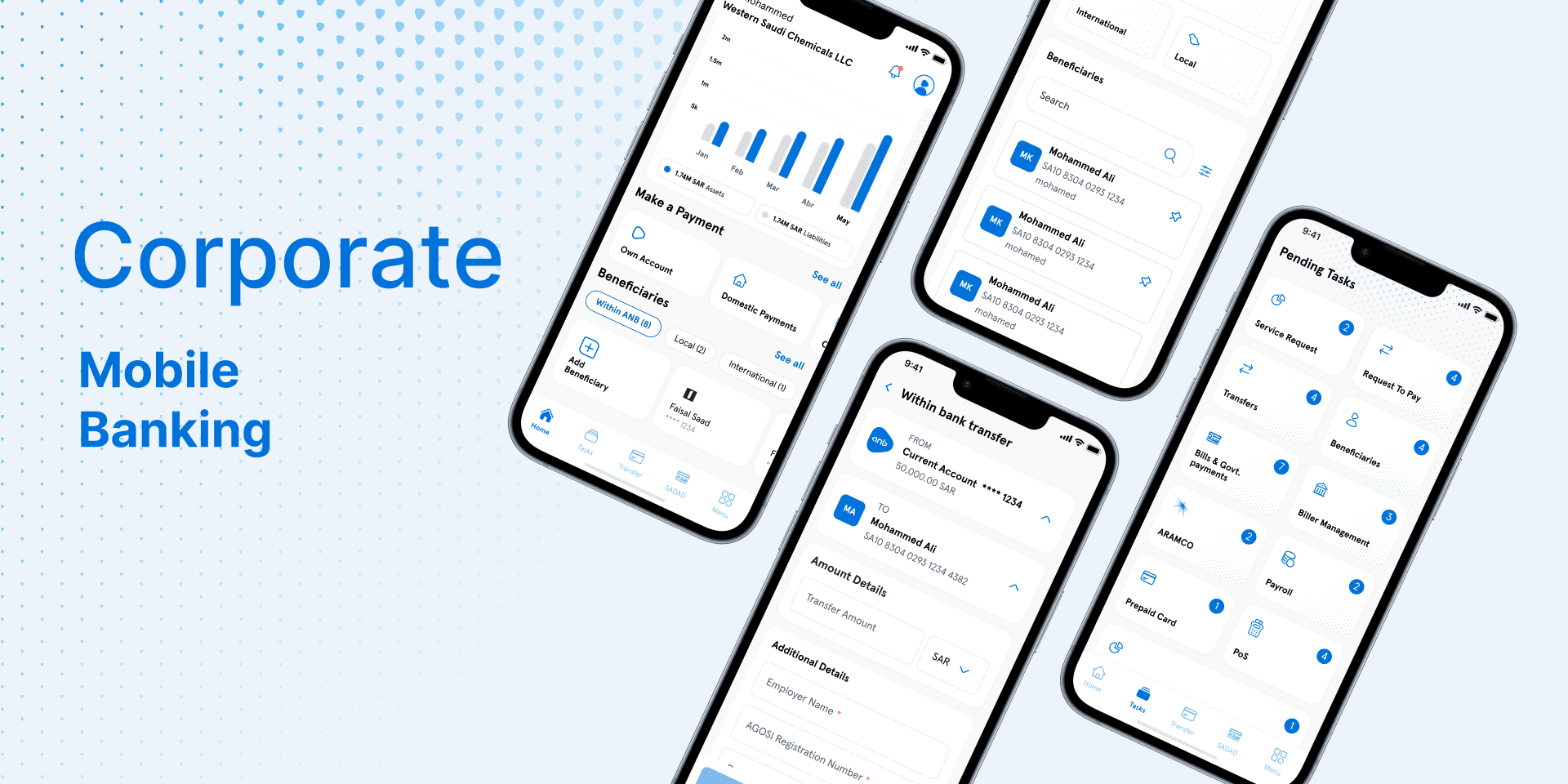
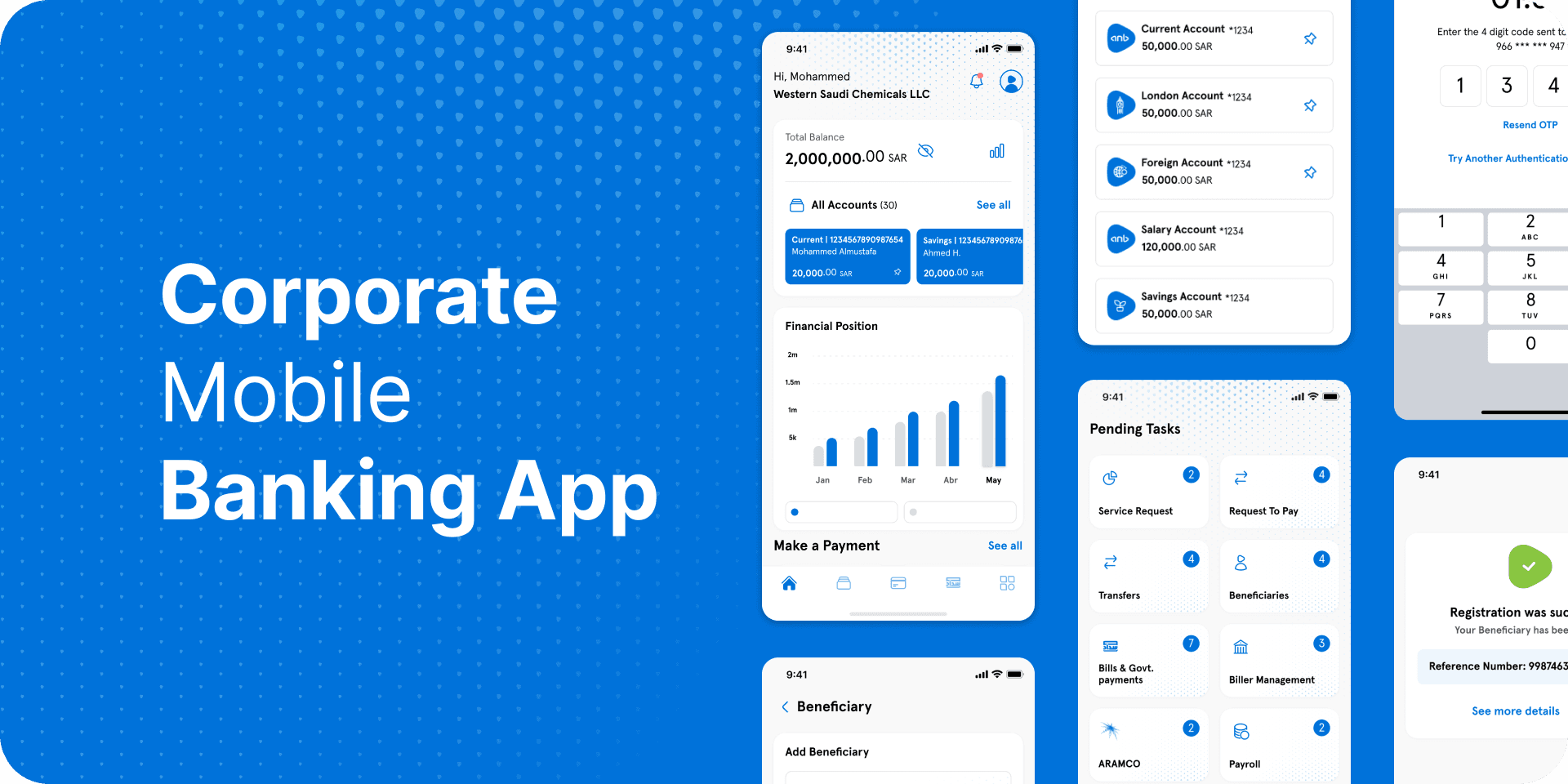
Corporate banking users deal with high-value transactions, strict approvals, and zero tolerance for errors. This project focused on designing a secure, intuitive, and efficient mobile banking experience for corporate users covering dashboards, beneficiary management, task approvals, and within-bank transfers.
The goal was to simplify complex financial workflows without compromising compliance, security, or clarity.
Rewamp
2
Banking
UI/UX
Problem Statement
Corporate users handle high-risk financial transactions through maker, checker workflows, yet most mobile banking apps introduce unnecessary complexity and unclear states. This leads to hesitation, errors, and slower approvals. The goal was to simplify these workflows while maintaining accuracy, compliance, and security.
Overloaded with financial jargon.
Optimized for retail users, not corporate workflows.
Stressful to use during time-sensitive transactions.
Design Goals:
Reduce cognitive load for complex financial actions.
Create confidence during high-risk steps (OTP, submission, approval).
Make task status and transaction states instantly clear.
Maintain enterprise-level visual trust and consistency.
Research & Discovery:
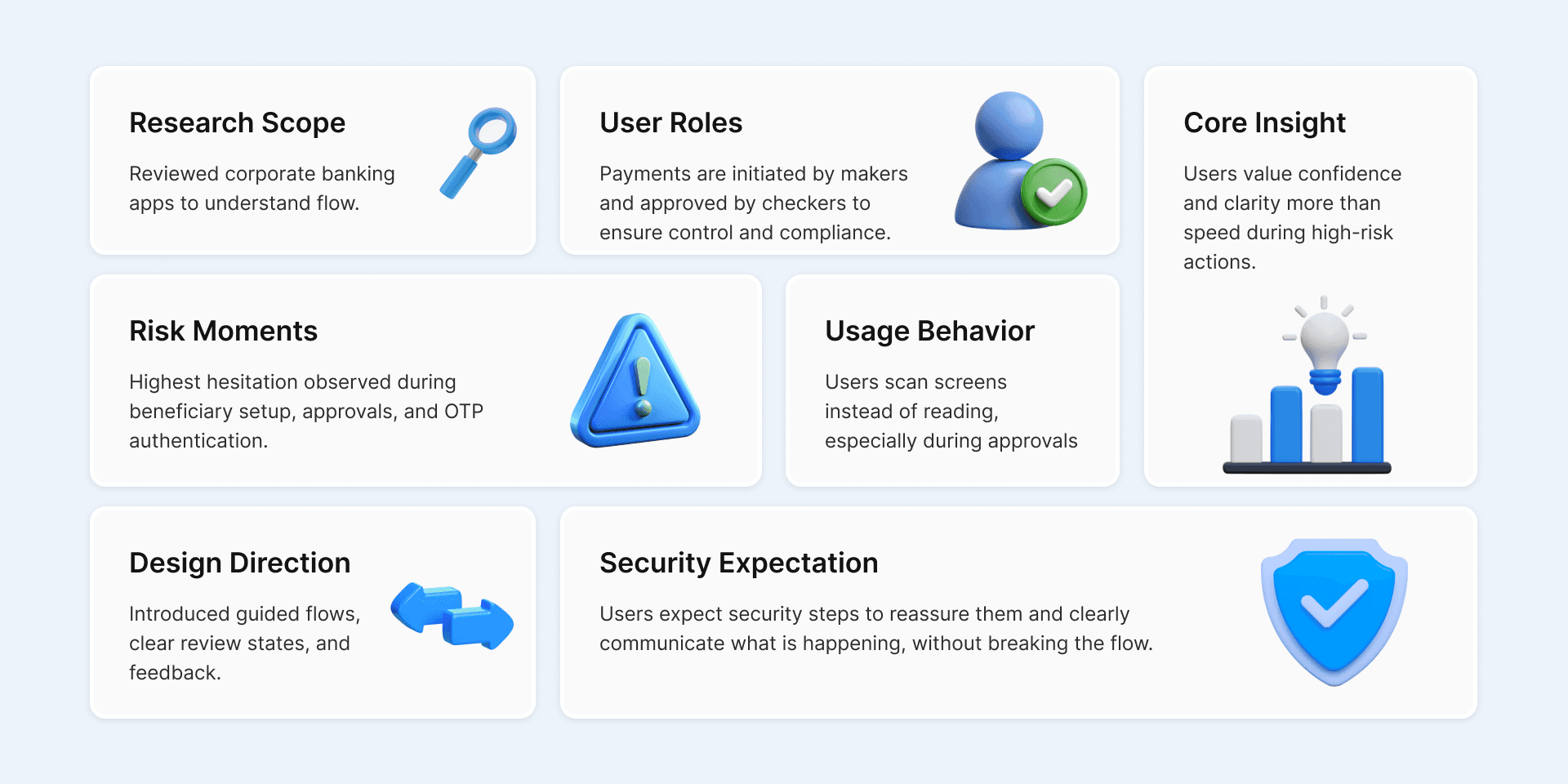
The discovery phase focused on understanding how corporate banking users operate in real-world scenarios where responsibility, compliance, and time pressure are constant. Research involved reviewing existing corporate banking products, analyzing common payment and approval workflows, and studying the maker checker model used across enterprise transactions.
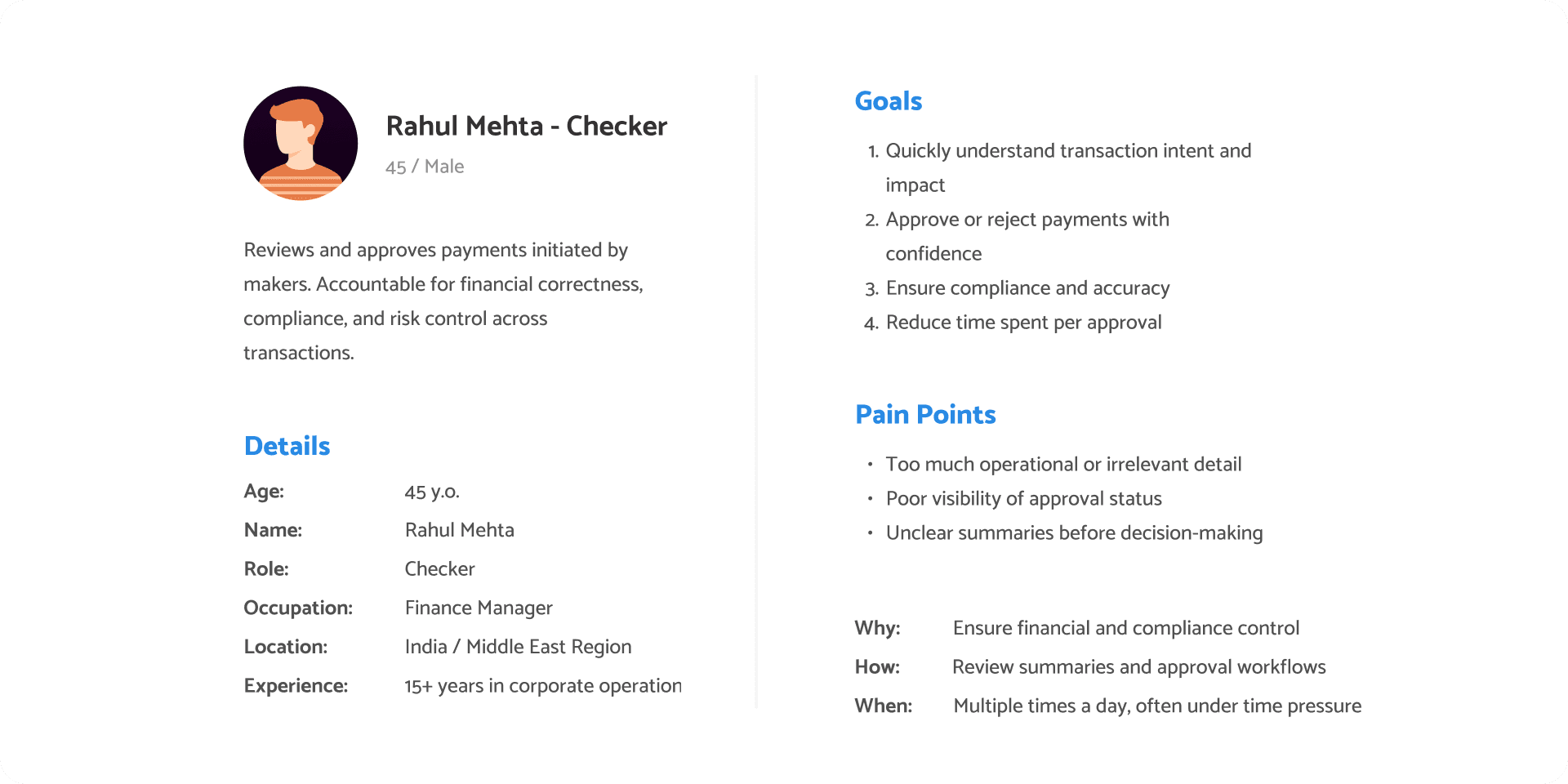
Persona:
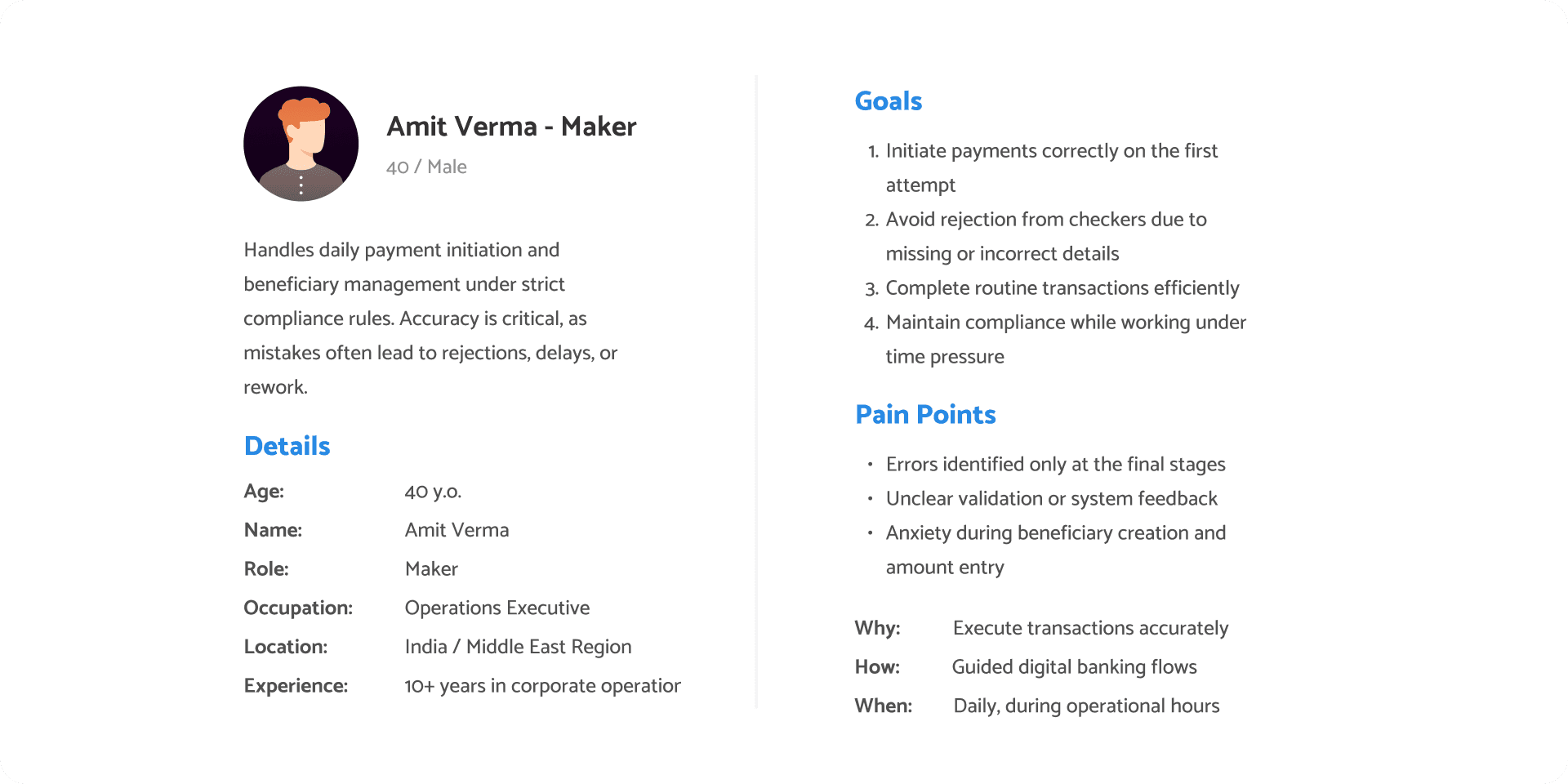
Key user roles involved in initiating and approving payments within a corporate banking workflow.
Key Screens & UX Decisions:
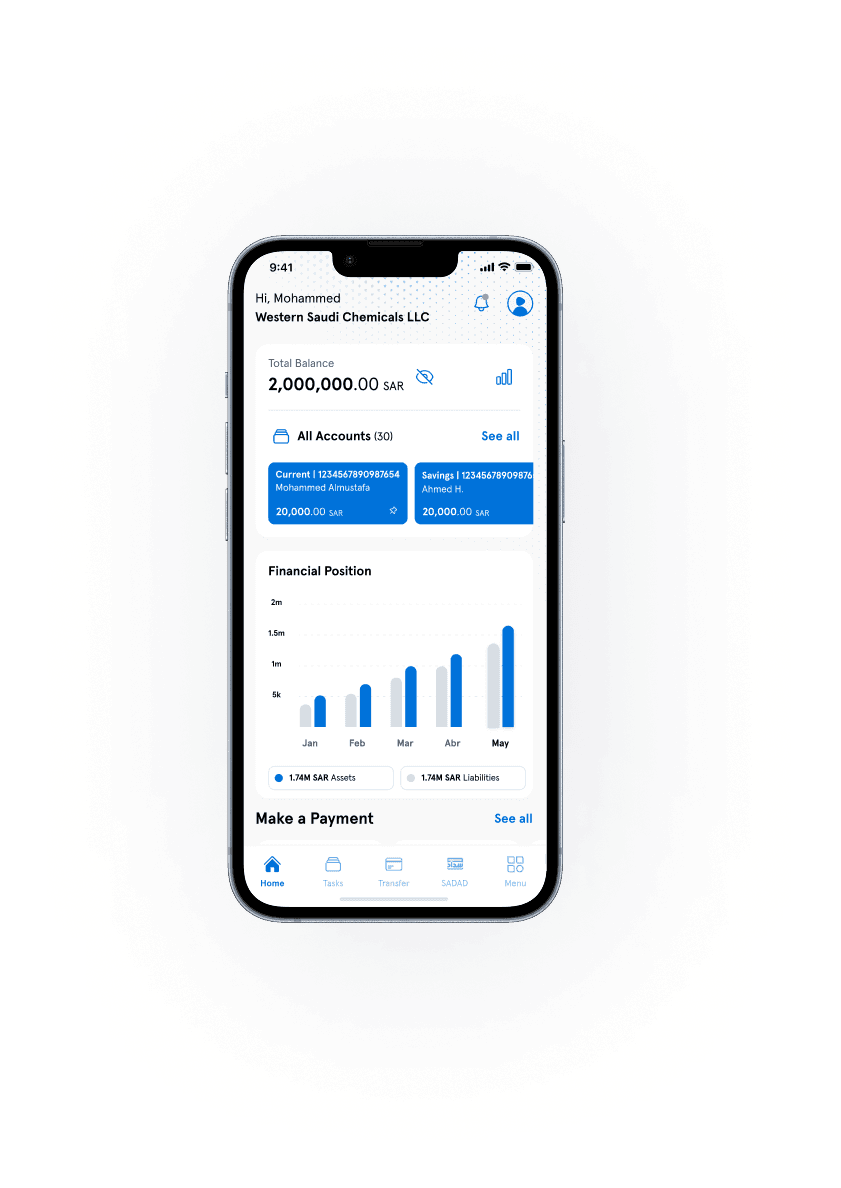
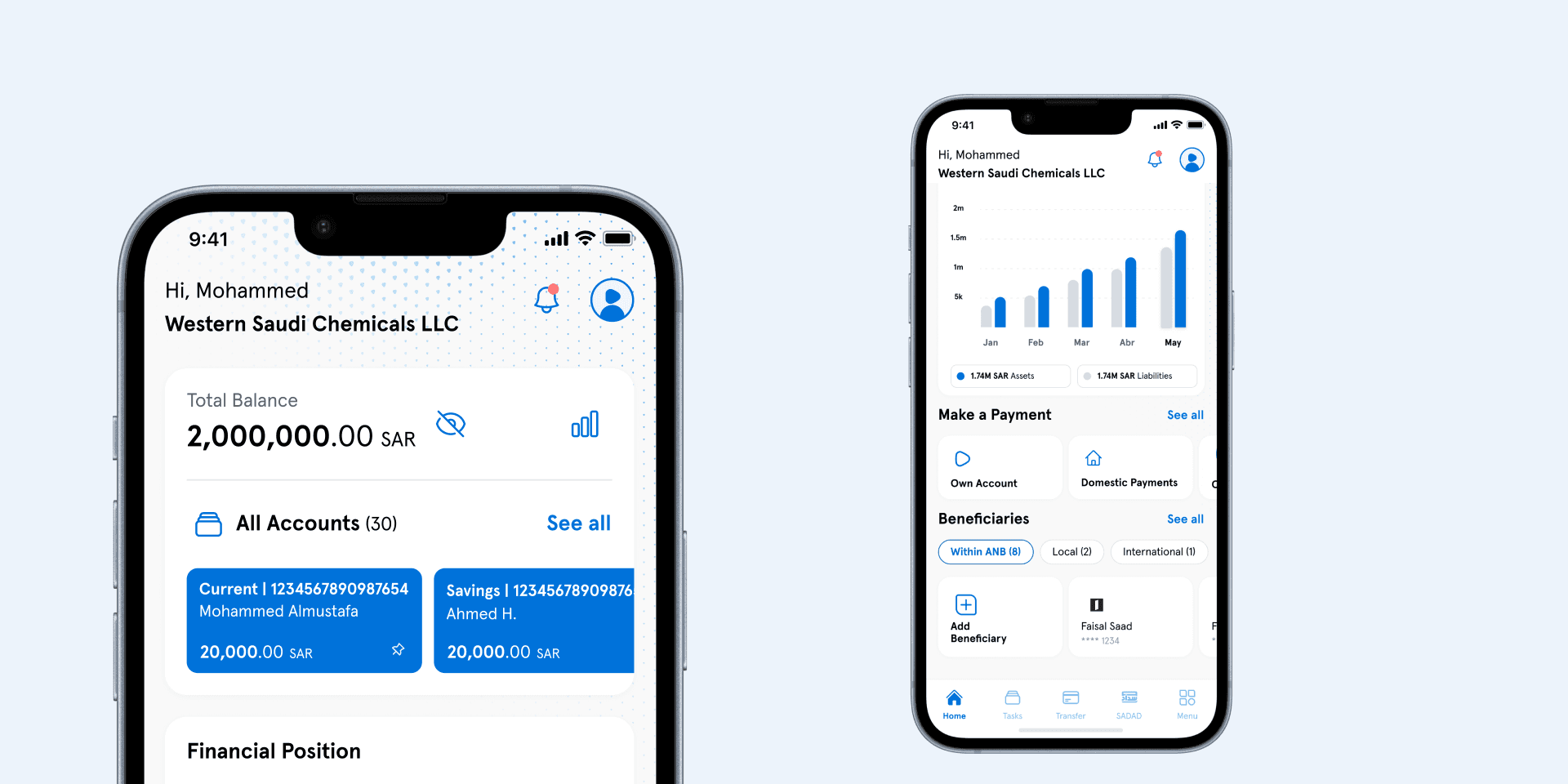
Dashboard:
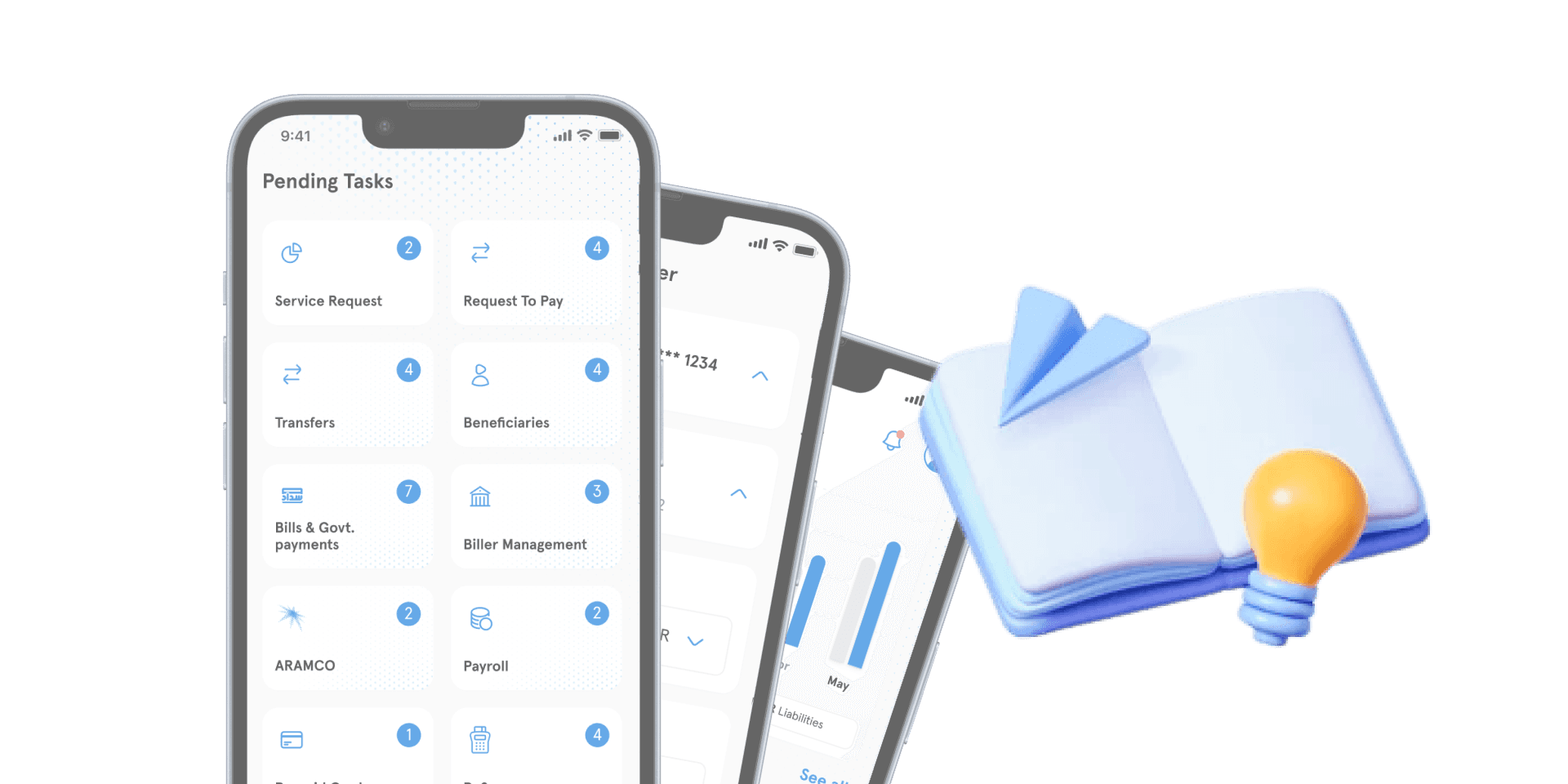
Designed as a control surface rather than an action screen. Account balances and financial position are surfaced clearly to establish context before users initiate tasks.
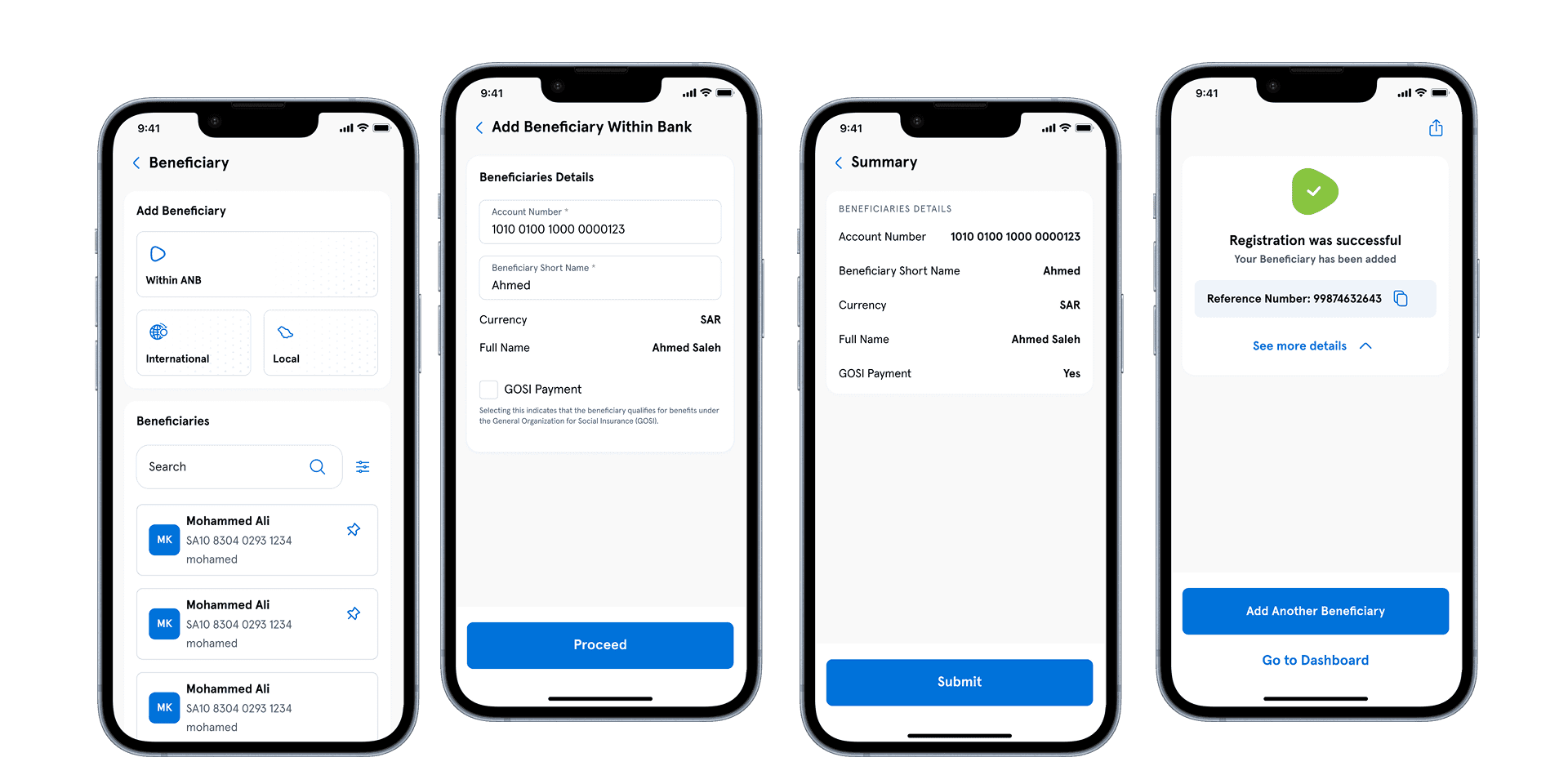
Beneficiary Management:
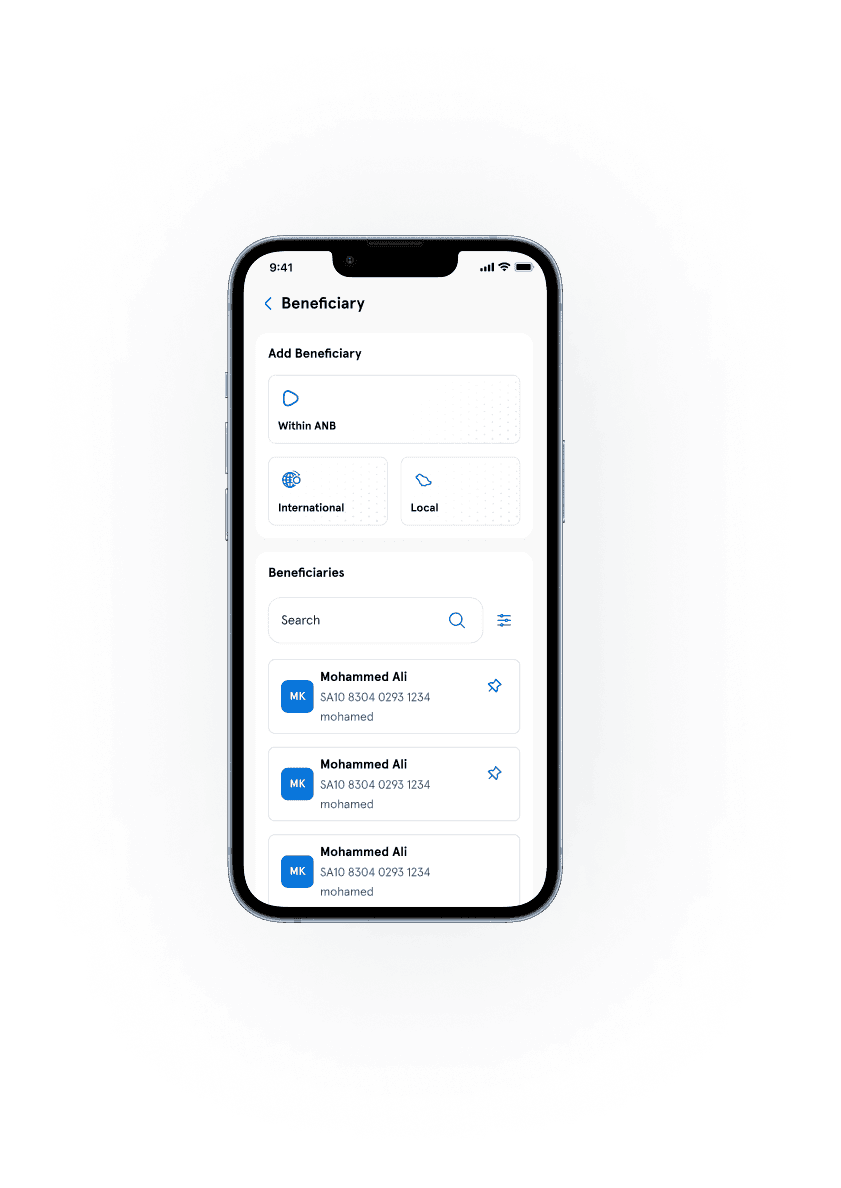
Structured as a step-by-step flow to reduce errors. Information is grouped logically, validated early, and reviewed before submission to reinforce control.
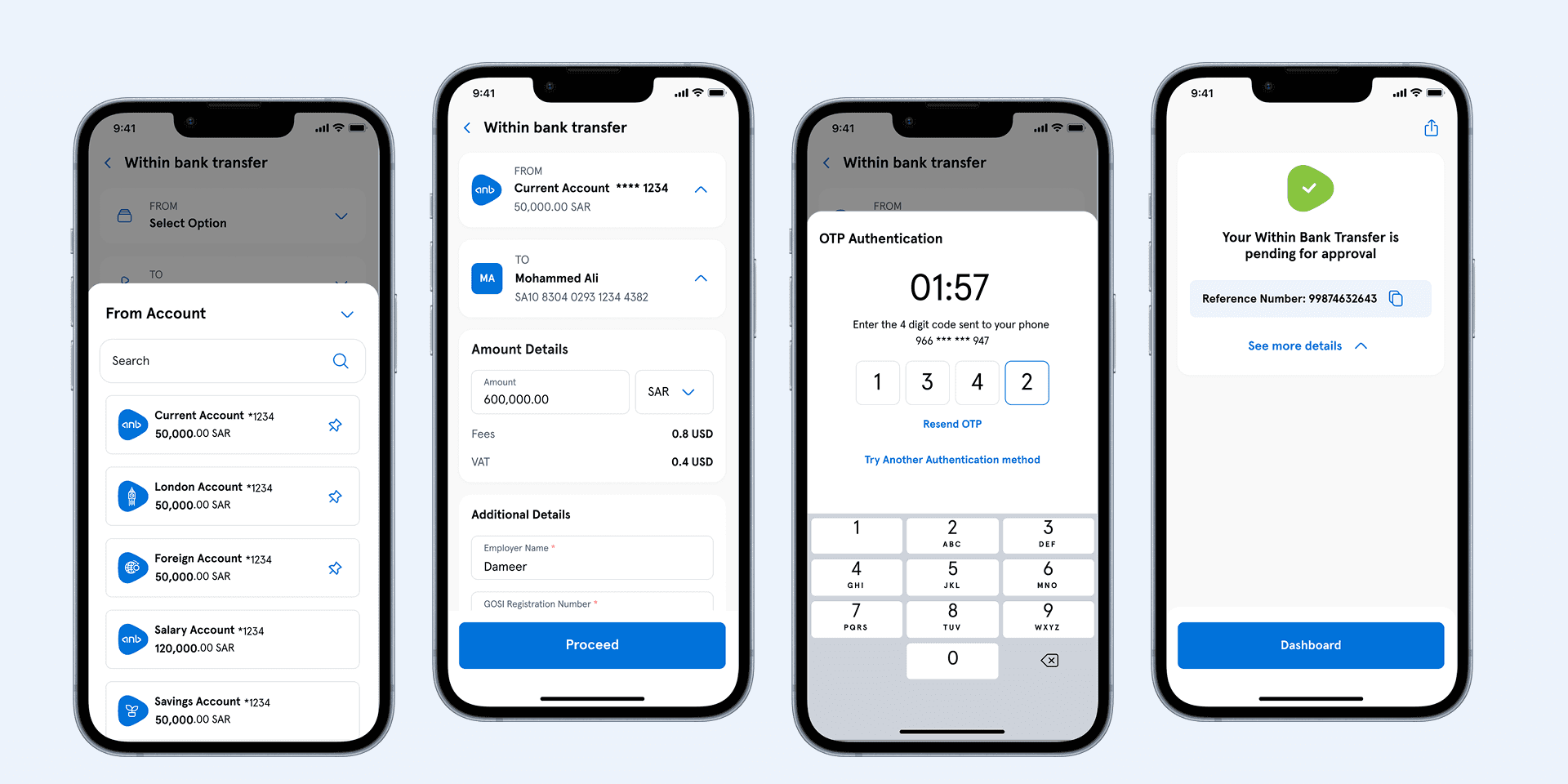
Transfers (Within Bank):
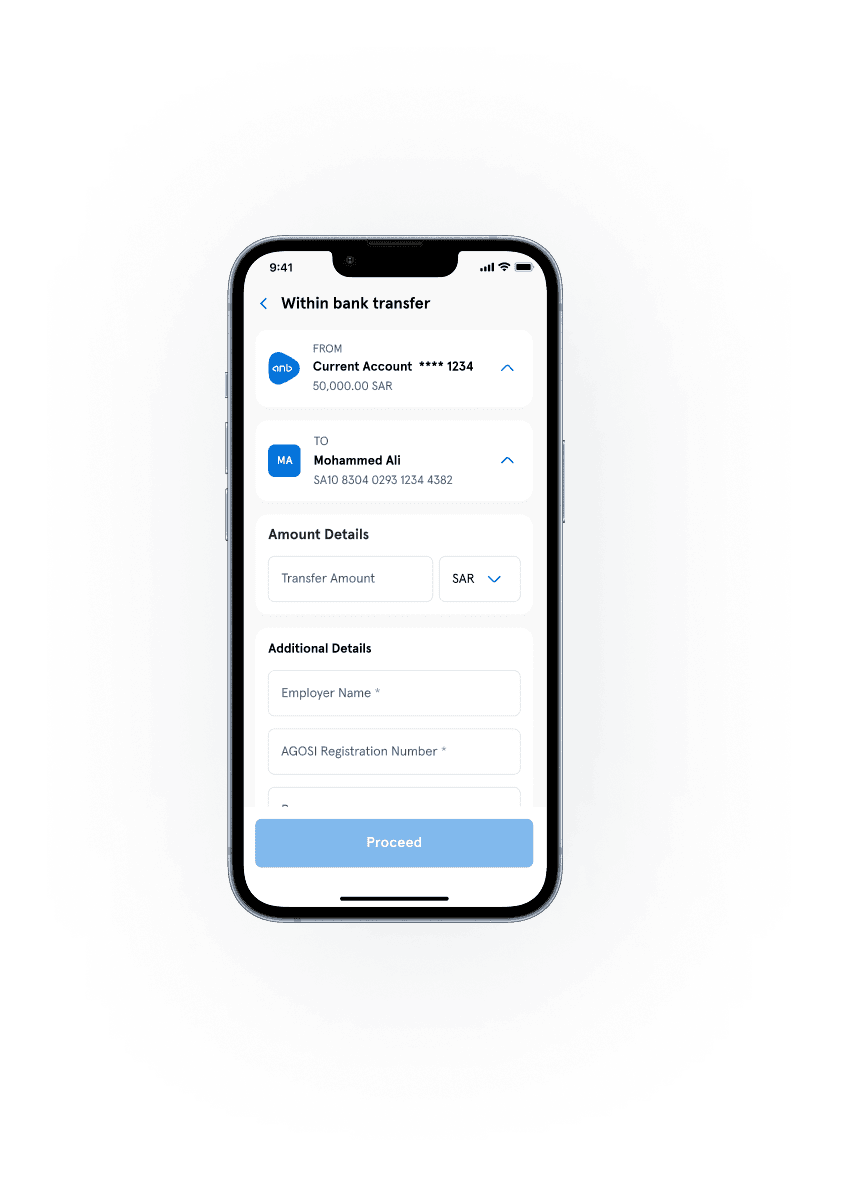
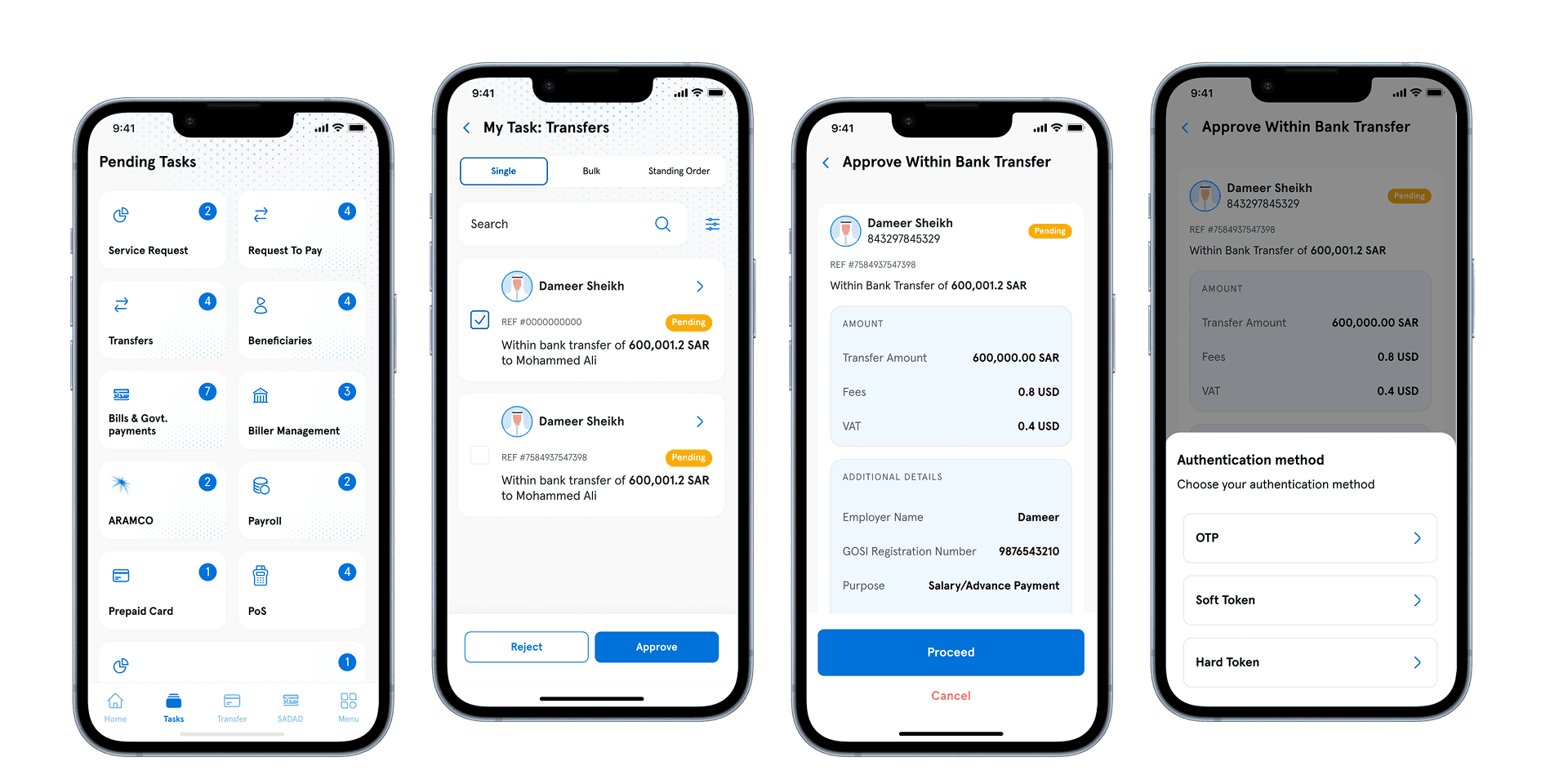
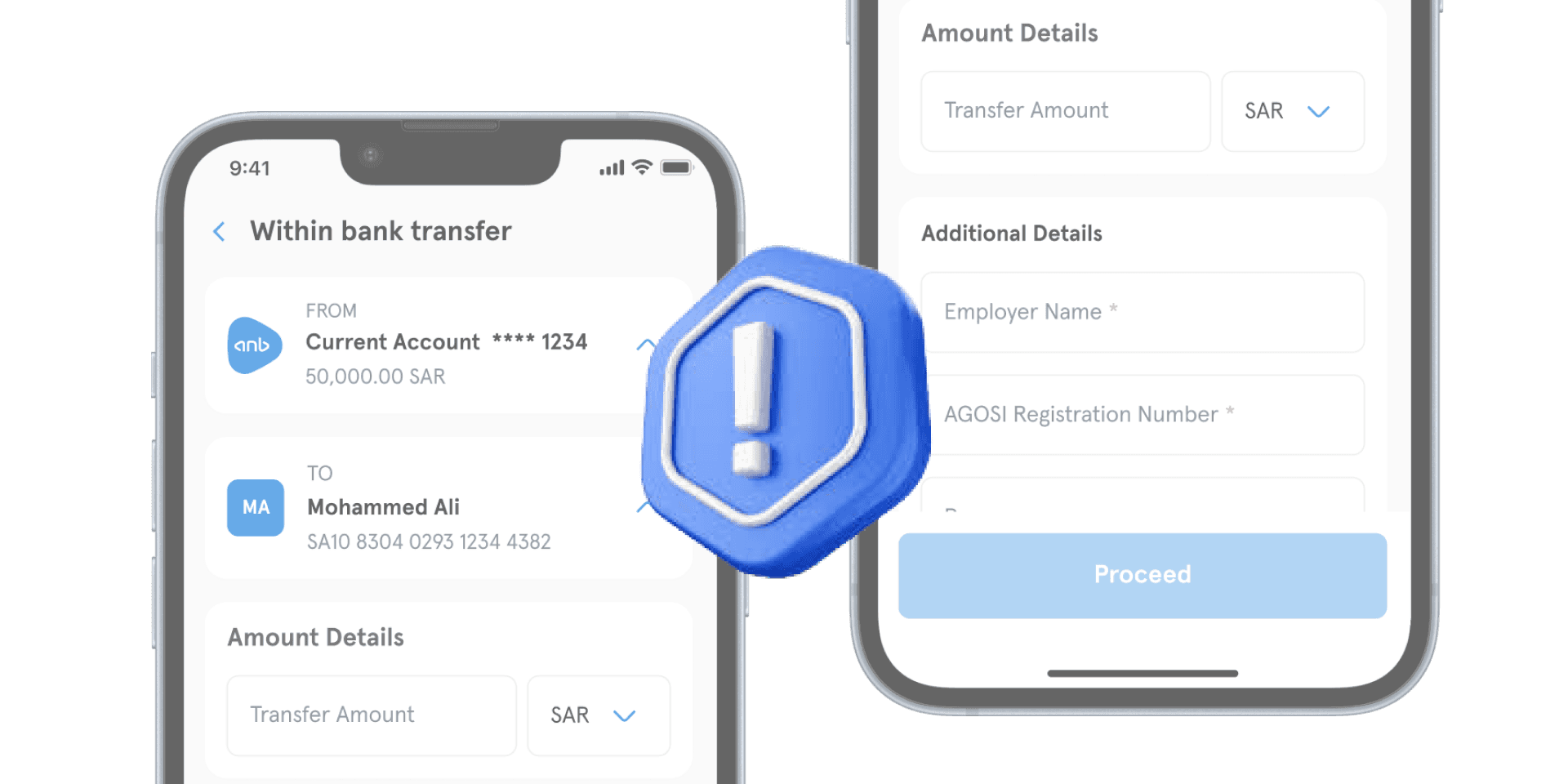
Focused on predictability. Clear separation of source and destination accounts, visible balances during amount entry, and a detailed review screen before submission.
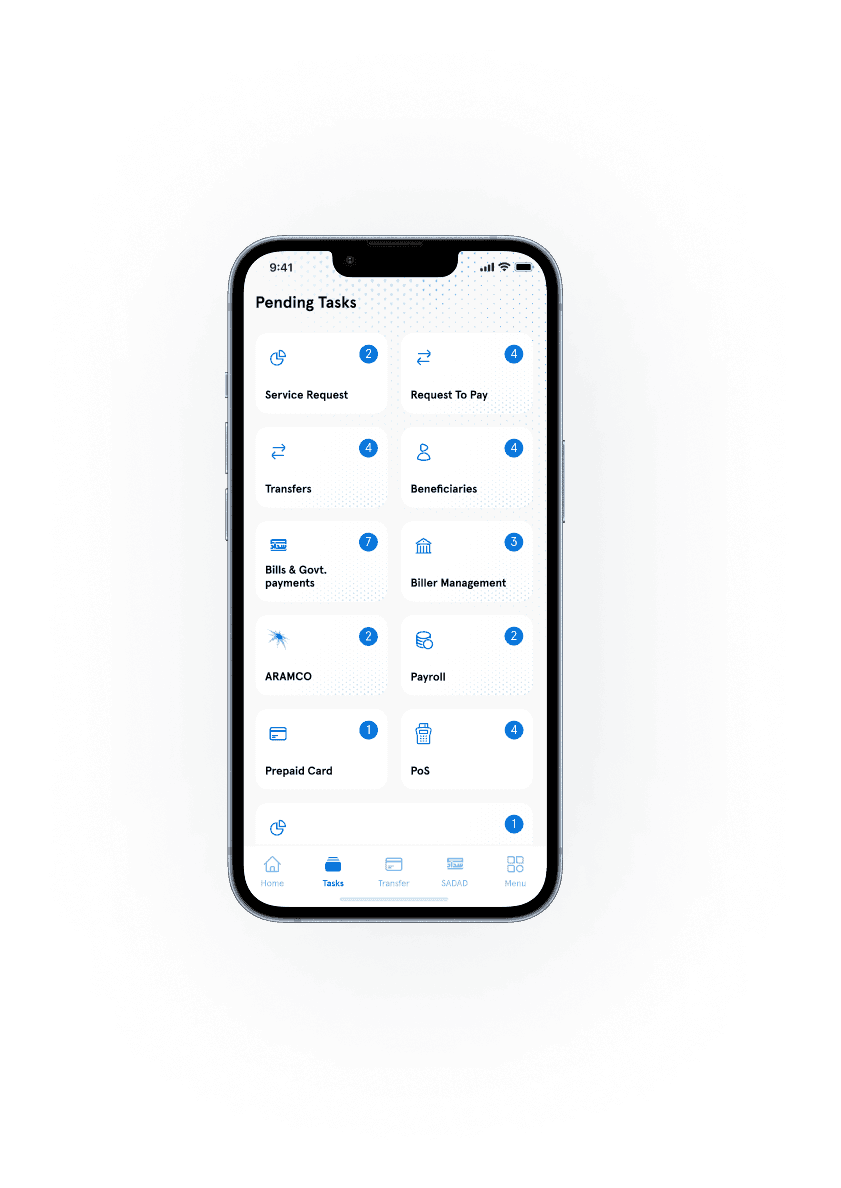
Tasks & Approvals:
Supports collaborative workflows by clearly separating pending, approved, and rejected tasks. Users can review details without being forced into immediate action.
Impact & Outcomes:
The redesigned experience reduced cognitive load across critical payment flows by improving information hierarchy, introducing clearer review states, and providing timely system feedback. As a result, users were able to complete maker checker tasks with greater confidence, fewer errors, and less hesitation during high-risk actions.
Learnings & Reflections:
This project highlighted the importance of designing for users who operate under pressure and high responsibility. It emphasized how clear structure, predictable interactions, and timely feedback help users feel in control during complex workflows, especially in payment initiation, approvals, and security-sensitive actions.
Design Summary:
The final solution demonstrates a user-centered approach to complex corporate banking workflows, where clarity, consistency, and intentional friction work together to support accurate decision-making. By aligning the interface with real user behavior and enterprise constraints, the design creates an experience that feels controlled, understandable, and trustworthy.